Soybeans
SOYBEANS
Soya bean (Glycine max), a leguminous plant originating from East Asia, is cultivated extensively across the globe for its versatile edible seeds. With a history of cultivation spanning over 3,000 years, soybeans have become an essential part of diets in many cultures, particularly in Asia and Africa, and are steadily gaining popularity in Western regions for their nutritional and functional value.
In the culinary world, soybeans are processed into both fermented and unfermented foods. Unfermented forms include soy milk—commonly used to produce tofu and its by-product, tofu skin—while fermented versions range from soy sauce and miso to tempeh, nattō, and yuba. These beans can also be ground into flour, roasted as snacks, or incorporated into meat and dairy alternatives, making them an important ingredient in plant-based diets.
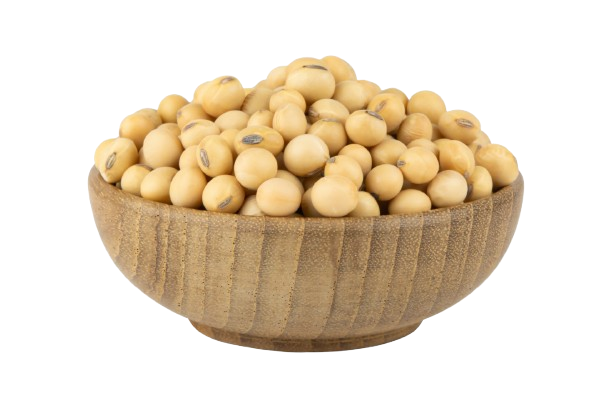
Soy is particularly rich in protein (about 40%) and oil (roughly 20%), making it a highly valued crop for livestock feed. Its protein content is among the highest of commonly used feed grains, and in 2011, global feed usage of whole soybeans was estimated at 13 million tons. Due to the presence of certain antinutritional elements, raw soybeans are often processed to enhance their digestibility and nutritional benefits, especially for ruminants.
Another notable aspect of soy is its role as the most prevalent dietary source of isoflavones—plant compounds known for their potential health benefits. However, their concentration varies based on the type of soy product, processing techniques, and manufacturing practices.
Globally, around 85% of the soybean harvest is turned into soybean meal and vegetable oil. Nearly all of this meal serves as protein-rich feed for animals, while only a small portion—approximately 2%—is converted into soy-based flours and protein isolates for human consumption.
Though its roots lie in Asia, soybean cultivation has spread globally due to its adaptability and economic importance. Today, leading producers include the United States, Brazil, Argentina, China, and India—nations that drive the majority of the world’s soy output and trade.