
Sesame Seeds
Sesame Seeds
Sesame seeds, derived from the Sesamum indicum plant, are tiny, oil-rich seeds prized for their distinct nutty flavor and subtle crunch. Widely used across global cuisines—particularly in Asian, Middle Eastern, and Mediterranean cooking—they add texture and depth to dishes and are central ingredients in popular foods like tahini (a creamy sesame paste) and halvah, a traditional Middle Eastern confection.
Among the earliest oilseed crops cultivated by humans, sesame has been domesticated for over 3,000 years. The cultivated variety (S. indicum) is believed to have originated in India, while numerous wild relatives are native to sub-Saharan Africa. One of sesame’s most notable traits is its resilience—it can thrive in arid conditions where many other crops fail, making it a vital resource in drought-prone regions.
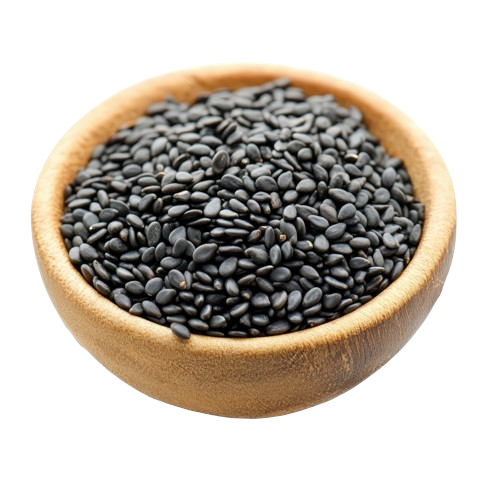
Sesame seeds grow in pods that naturally split open upon ripening—a unique characteristic captured in the phrase “Open sesame,” famously used in Arabian Nights. The seeds are available year-round and come in two forms: hulled and unhulled. Unhulled seeds retain their outer husk, giving them a golden-brown appearance, while hulled seeds are paler and turn golden when toasted.
Valued not only for their culinary use but also for their high oil content—among the highest of any seed—sesame seeds produce an oil known for its rich, nutty flavor and long shelf life due to its natural resistance to spoilage. This makes it a preferred choice in cooking, salad dressings, and marinades, as well as in traditional medicine systems where sesame has been used for centuries to support heart health, manage blood sugar, and reduce inflammation associated with conditions like arthritis.
After harvesting, the seeds undergo cleaning and hulling, followed by advanced color-sorting in many countries to remove any discolored seeds. This step enhances visual consistency—a key quality factor that influences both consumer preference and market price.