
Cashew Nuts
Cashew Nuts
Cashews are the edible seeds of the Anacardium occidentale tree, which thrives in tropical climates. Though often grouped with tree nuts due to their similar nutritional profile and culinary uses, cashews are technically seeds. Rich in healthy fats, protein, vitamins, and antioxidants, they are known to support heart health, regulate blood sugar, and may aid in weight management.
Culinarily, cashews are highly versatile. In South Asian cuisine, they’re frequently used whole as toppings for desserts and savory dishes, or ground into a smooth paste for curries such as korma and traditional sweets like kaju barfi. Indian desserts often incorporate cashew powder for added richness. In Goa, cashews—whether roasted or raw—are a staple in both sweet and savory recipes. Southeast Asian dishes, particularly Thai and Chinese, also feature cashews, typically in their whole form. In the Philippines, they’re a well-loved delicacy in Antipolo, where they’re paired with local snacks like suman (sticky rice cakes).
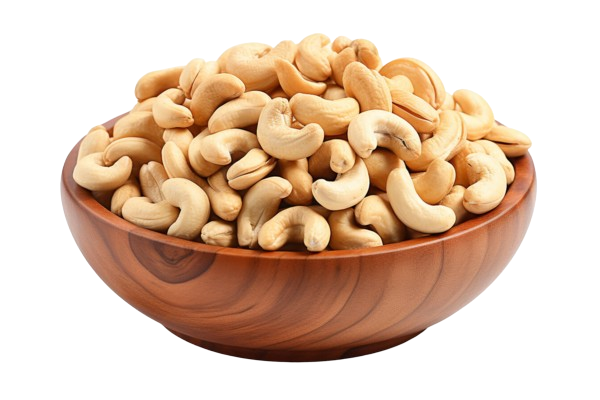
Originally native to the Amazon rainforest region of Brazil, the cashew tree was introduced to other continents by Portuguese explorers. Today, it is commercially cultivated in countries such as India, Vietnam, Brazil, and various parts of Africa. Each tree produces a colorful, pear-shaped structure called the “cashew apple”—a juicy but perishable pseudo-fruit. Attached to its base is the actual fruit: the cashew nut, a kidney-shaped drupe enclosed in a tough shell. This shell contains a caustic resin and must be carefully removed to access the edible kernel inside.
As part of our operations, we source cashews directly on behalf of partner factories in Vietnam. This model ensures streamlined procurement through a single-point system, simplifying logistics for both the manufacturers we serve and the suppliers who cater to them.