
Rapeseed Meal
Rapeseed Meal
Rapeseed meal is a highly valued protein source extensively utilized in the diets of various livestock species around the world. In terms of global production, it ranks just behind soybean meal as one of the most significant oilseed meals for animal feed.
Historically, the application of rapeseed meal in animal nutrition faced challenges due to the presence of glucosinolates—naturally occurring compounds that can negatively affect animal growth and health. However, during the 1960s and 1970s, plant breeders successfully developed low-erucic acid varieties of rapeseed, commonly known as canola. This breakthrough not only transformed rapeseed oil into a widely accepted edible oil but also increased the acceptability and usage of rapeseed meal as a livestock feed ingredient.
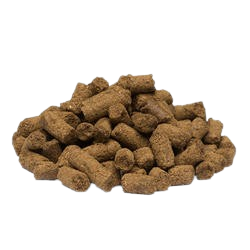
Most rapeseed meal available commercially today is produced through solvent extraction, which efficiently removes the majority of the oil content. Yet, in recent decades, mechanically pressed rapeseed meals—retaining higher residual oil—have gained traction, particularly within organic farming systems and among farmers producing oil on-site. These oil-enriched meals offer added energy content and have become a popular alternative.
Rapeseed seeds typically contain between 40% and 45% oil, and the extraction process yields approximately 55% to 60% meal by weight. The production involves several critical steps: cleaning the seeds, pre-conditioning, rolling and flaking to prepare for oil extraction, followed by cooking and mechanical pressing to remove a portion of the oil. The remaining oil is then extracted using solvents such as hexane. The final phases include desolventizing and toasting the meal to ensure safety and improve digestibility.
Processing temperature plays a crucial role in determining the nutritional quality of rapeseed meal. Excessive heat can degrade essential amino acids and reduce protein availability, making careful temperature control essential during production.