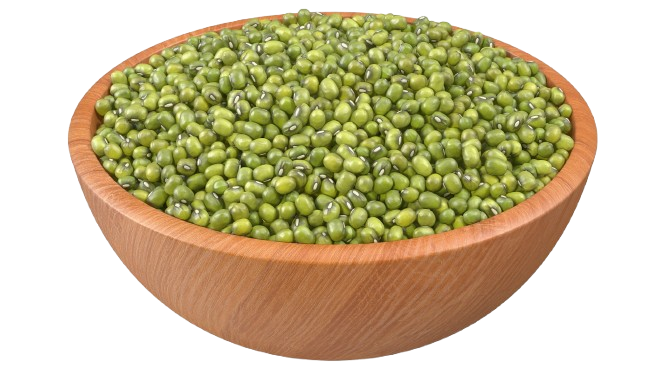
Green Mung Beans
Green Mung Beans
Mung beans, commonly known as green gram or sometimes referred to as golden gram, are small, nutrient-dense legumes primarily cultivated across the Indian subcontinent and parts of Southeast Asia. Celebrated for their rich nutritional profile, mung beans have been a dietary staple for centuries, valued for their ability to support overall health and vitality.
These legumes are packed with essential nutrients including various B vitamins (such as folate and B6), vitamin C, high-quality plant protein, manganese, magnesium, and several other minerals vital for maintaining bodily functions. The impressive blend of vitamins, minerals, and antioxidants found in mung beans makes them an excellent choice for boosting immunity, enhancing metabolism, and promoting healthy skin and digestion.
One of the unique qualities of mung beans is their content of protease inhibitors—natural compounds that have been studied for their potential role in inhibiting the growth and proliferation of abnormal cells, including tumor cells linked to breast cancer. Due to these promising health benefits, regular consumption of mung beans is often encouraged, particularly for women aiming to support hormonal balance and reduce cancer risks.
Mung beans are incredibly versatile in the kitchen and can be used whole, split, or sprouted. They are commonly incorporated into soups, stews, curries, and salads, and their flour is a gluten-free option for baking and thickening sauces. Sprouted mung beans are especially popular in health foods and Asian cuisine, offering enhanced digestibility and nutrient availability.
Notably, mung beans are easier to digest than many other legumes, making them suitable for people with sensitive stomachs or those recovering from illness. They are also believed to have cooling properties in traditional Ayurvedic and Chinese medicine, helping to balance body heat, particularly in warmer climates.
Agriculturally, mung beans are valued for their adaptability to a range of climates and soil types. They are often grown in rotation with cereals, improving soil health through nitrogen fixation, which benefits subsequent crops and promotes sustainable farming practices.
The largest producers of mung beans today include India, Thailand, China, and Indonesia. With the global rise in plant-based diets and health-conscious eating, mung beans continue to gain popularity beyond their traditional growing regions, becoming a sought-after ingredient for nutritious meals worldwide.