
Chick Peas
Chick Peas
Chickpeas, also known as Cicer arietinum, are one of the most ancient and widely consumed legumes in the world. They are a staple in many global cuisines and a key source of plant-based protein, fiber, and essential nutrients. Chickpeas are broadly categorized into two main types: Desi and Kabuli.
The Desi variety is smaller, darker in color, and has a rough outer skin. Despite their dark exterior, the interior is yellow, and these chickpeas are often split and used in their dehulled form as chana dal. Desi chickpeas are commonly grown in the Indian subcontinent and are known for their earthy flavor and high fiber content.
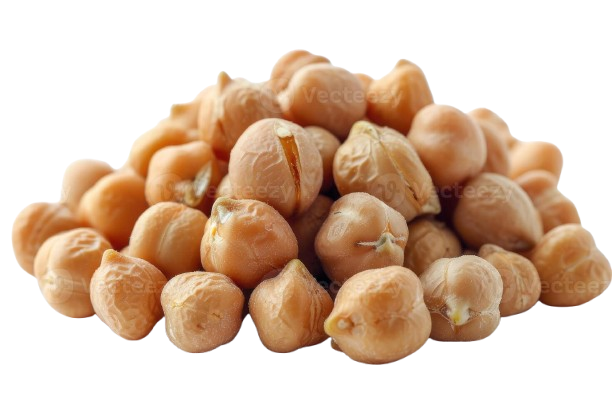
On the other hand, Kabuli chickpeas are larger, rounder, and have a smooth, light beige coat. They are more commonly found in the Mediterranean, Middle East, and North African regions. Kabuli types are typically used whole in dishes such as hummus, salads, stews, and are also roasted as snacks. Both varieties, despite their visual and textural differences, are commonly referred to as “chickpeas” in the marketplace.
Chickpeas are graded based on size, color, uniformity, and overall quality. We primarily deal in Grade 1 and Grade 2 chickpeas, which represent the top tiers in terms of appearance and purity. Grade 1 chickpeas are typically uniform in size and color with minimal defects, while Grade 2 allows for slight variations but still maintains high standards suitable for most culinary and industrial uses.
Beyond their culinary applications, chickpeas are also valued for their health benefits. They are a rich source of plant-based protein, making them especially important in vegetarian and vegan diets. Chickpeas also contain complex carbohydrates, iron, magnesium, folate, and antioxidants, all of which contribute to improved digestion, heart health, and blood sugar regulation.
Globally, chickpeas are a key ingredient in traditional dishes such as chana masala in India, hummus and falafel in the Middle East, and cocido in Spain. With their growing popularity in health-conscious and plant-based diets, chickpeas have also found their way into flour (besan), pasta, and meat-alternative products.
Major producers of chickpeas include India (the largest producer and consumer), Australia, Turkey, and Pakistan. Their adaptability to semi-arid climates and ability to enrich the soil through nitrogen fixation makes chickpeas a sustainable choice for farmers worldwide.