
Groundnuts
Groundnuts
Peanuts, commonly referred to as groundnuts, are a leguminous crop extensively cultivated in tropical and subtropical regions. Their versatility makes them valuable to both smallholder farmers and large-scale commercial producers. Due to their high oil yield, peanuts are classified not only as legumes but also as a significant oilseed crop.
Global production of peanuts has steadily increased over the years. In 2016, shelled peanut production reached 44 million tonnes, with China accounting for nearly 38% of the global output. By 2019, total production—reported as groundnuts in the shell—had risen to 49 million tonnes, marking a 7% growth. Major contributors to this output included China (36%), India (14%), Nigeria, Sudan, and the United States.
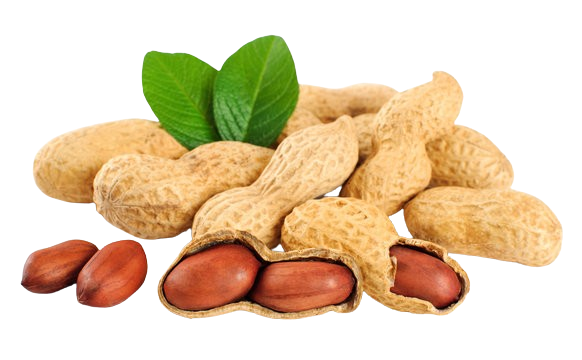
Peanuts are nutritionally comparable to tree nuts like almonds and walnuts. In Western cuisines, they’re often consumed in similar forms—roasted, salted, as spreads, or incorporated into desserts and savory dishes. Aside from their culinary role, peanuts offer notable health benefits. They are an excellent source of monounsaturated fats, particularly oleic acid—the same heart-friendly fat found in olive oil. Research supports their role in promoting cardiovascular health and managing cholesterol levels. Remarkably, peanuts are also rich in antioxidants, with levels comparable to those found in many fruits.
Beyond food, peanuts serve a wide array of industrial purposes. Peanut oil is a key ingredient in products like paints, varnishes, lubricants, insecticides, and leather treatments. It also finds use in soap production and various cosmetic formulations due to its emollient properties. Additionally, the protein by-products are sometimes utilized in manufacturing certain textile fibers.
Altogether, the peanut is not only a nutritious dietary staple but also a valuable resource for numerous industrial applications—making it one of the most economically and nutritionally important legumes worldwide.