
Niger Seeds
Niger Seeds
Niger seed, originally native to regions of East Africa such as Ethiopia, Eritrea, and Malawi, is now also widely cultivated in India and parts of Southeast Asia. These small, black seeds resemble sunflower seeds in appearance but are noticeably smaller and more compact, with a thick, clingy outer shell that helps preserve their quality for up to a year in proper storage conditions.
Rich in oil, protein, and natural sugars, Niger seeds are a valued crop for both culinary and agricultural purposes. On average, they yield around 30–35% of their weight in oil. The extracted oil is light yellow to orange in color, mildly sweet in aroma, and carries a pleasant nutty flavor. It is a polyunsaturated, semi-drying oil with a chemical profile comparable to sunflower oil, particularly due to its high linoleic acid content—which can range between 45% and 65%, influenced by the soil and seed variety.
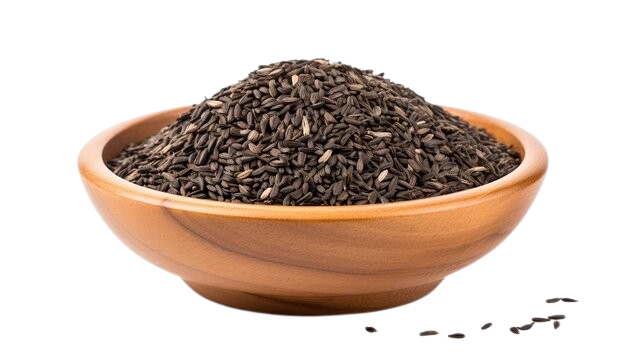
Although edible and low in acidity—allowing for direct use in cooking—Niger seed oil typically has a short shelf life and is prone to rancidity over time if not stored correctly. It can serve as an alternative to olive oil and is sometimes blended with linseed oil in various applications.
In addition to its culinary value, Niger seed is globally recognized as a premium component in birdseed, especially for finches and other small seed-eating birds. Large-scale cultivation for this purpose continues across Africa and India, with international exports supplying a growing demand in pet and wildlife markets.