Soybean Meal
Soybean Meal
Worldwide, approximately 98% of soybean meal production is dedicated to animal nutrition. In the United States, between 2010 and 2012, nearly 44% of the soybean harvest was exported as whole beans, while about 53% underwent processing domestically. From the crushed soybeans, roughly 19% of the weight was extracted as soybean oil, with the remaining portion converted into soybean meal. Of the total U.S. soybean crop during this period, around 35% of the resulting soybean meal was directly incorporated into the diets of domestic livestock and poultry. The majority of the leftover soybean meal was shipped abroad to meet global demand.
Soybean meal stands as the leading protein ingredient in animal feed worldwide. It accounts for roughly two-thirds of the global protein feed supply, surpassing all other significant sources such as various oilseed meals and fish meal. Its nutritional quality and digestibility make it the benchmark for plant-based protein feeds, often serving as the standard against which alternative protein meals are evaluated.
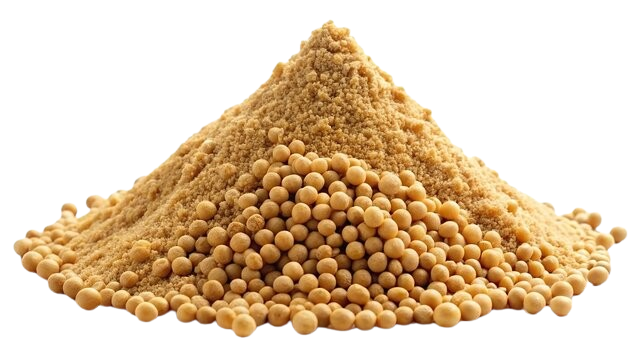
Derived as a by-product of soybean oil extraction, soybean meal varies in composition depending on the extraction process used. These variations influence its crude protein content, which is a primary factor in classifying soybean meal for commercial purposes. The high protein concentration and balanced amino acid profile make it exceptionally valuable for enhancing animal growth and productivity.
Given its central role in livestock nutrition, soybean meal continues to be integral to the agricultural industry, supporting the efficient production of meat, dairy, and eggs worldwide.