Sunflower Seed Meal
Sunflower Seed Meal
Sunflower meal is the residual product left after extracting oil from sunflower seeds. In the global ranking of oilseed meals, it ranks fourth in importance, following soybean meal, rapeseed meal, and cottonseed meal. The market offers a broad spectrum of sunflower meal products, ranging from coarse, straw-like residues to finely milled, high-quality flours suitable for various animal feed applications.
The composition and quality of sunflower meal are influenced by several factors, including the botanical characteristics of the sunflower plant—such as seed composition, the ratio of hull to kernel, the efficiency of hull removal (dehulling), and the conditions under which the crop is grown and stored. Additionally, the processing methods employed, whether mechanical pressing, solvent extraction, or a combination of both, play a significant role in determining the final product’s nutritional profile and usability.
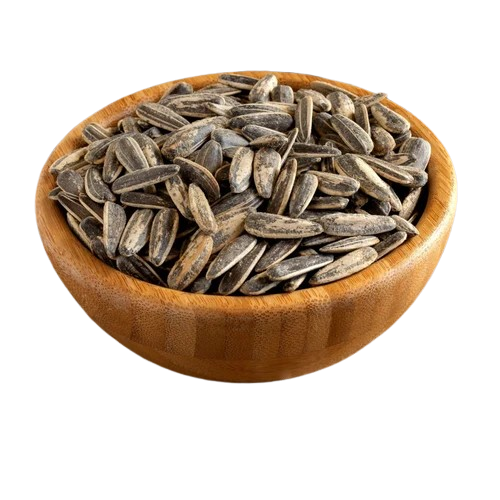
Sunflower meal can be produced from either whole seeds or seeds that have been dehulled prior to oil extraction. The choice of raw material and extraction technique affects the protein content, fiber levels, and digestibility of the meal, which in turn influences its value as a feed ingredient.
Globally, sunflower meal is widely produced and traded, with total production estimated at approximately 21.8 million tons in 2019. The leading producers are Ukraine and Russia, generating around 6.3 million and 5.1 million tons respectively during that year, reflecting their prominent roles in the sunflower oil and meal industry.